

As well as our courses, we also offer several Practical Placements that are relevant for wildlife and conservation careers. Great opportunities to gain valuable hands-on experience. Students can add on a practical placement to your theory course!
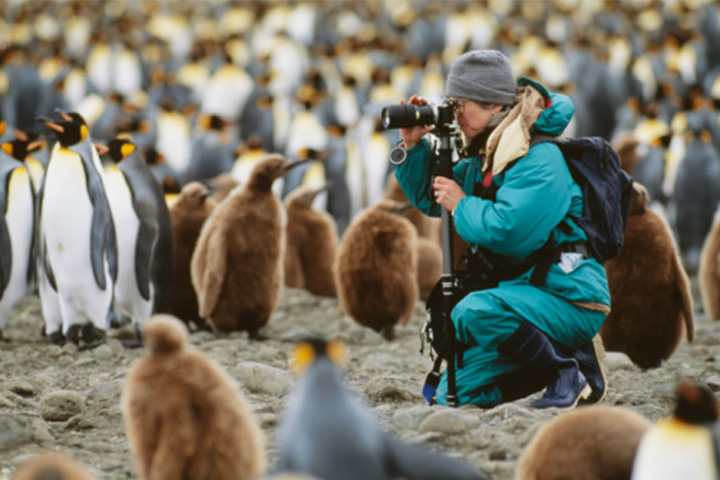
Career with Wildlife: There are a great many different careers and jobs available including; working for animal welfare charities, zoos, safari parks, countryside agencies and parks, education, rehabilitation, conservation and more. For most jobs with wildlife, it is crucial to have relevant training as without this, your CV won’t get noticed.
Looking for wildlife careers? Here are a few ideas:
Wildlife Careers
-
Zoologist
View Recommended TrainingZoologists are involved in the scientific study of animals including their anatomy, physiology, classification, distribution, behaviour and ecology. Zoology is the study of the biology of animals and, as such, is a broad discipline spanning physiology, evolution, genetics, animal behaviour, ecology, conservation management and much more.
Television programmes such as the BBC series ‘Life of Mammals’ stimulate an interest in pursuing a career with wildlife and provide a window into just one aspect (and provide job opportunities for keen Zoologists who want to make natural history films!) but there is much more to becoming a Zoologist than just the study of one particular group of animals.
With specialist training and transferable skills you can expect to work in zoos, teaching, wildlife conservation, museum curation and many other areas. Our Zoology Diploma course is relevant for this type of work.
-
Gamekeeper Wildlife Careers
View Recommended TrainingGamekeepers are usually employed by private country estates/landowners or farms. It is important to have practical skills and to be a willing hands-on worker, in some cases carrying out potentially hazardous tasks such as using a chain saw or administering pesticides.
Gamekeeper tasks include: managing wildlife habitats, training gun dogs, clearing woodland, land management & predator control, breeding & releasing game birds & deer, maintaining equipment & buildings and protecting game from poachers.
If you want to become a Gamekeeper, wildlife qualifications like the ones we offer online will help you get job ready.
-
Wildlife Countryside Conservation Officer and Conservationist
View Recommended TrainingA Wildlife Conservation Officer is involved in the management, improvement and protection of a wildlife or wilderness area. This work is practical and varied and it includes conducting wildlife surveys, maintaining wildlife habitats – i.e., tree planting and pond management, ensuring right of access by maintaining footpaths and bridleways, and educating visitors by providing exhibitions, guided walks and resource centres.
To enjoy this type of work, candidates must have a passion for the outdoors and have a belief in the importance of caring for places of natural beauty and historical interest. Our online wildlife and conservation courses will help you prepare for these types of roles.
-
Ornithologist Career with Birds
View Recommended TrainingOrnithologists are bird specialists who have a strong scientific approach to their work. Their job includes the monitoring and tracking of birds, habitat monitoring and management, study of populations, bird behaviour, carrying out surveys and research as well as educating the public about the importance of habitat conservation.
Candidates have experience in bird observation and conservation and they need to be thorough, analytical, meticulous and pay attention to detail. Most people working with birds have a degree or higher degree in countryside or conservation management, ecology, zoology or a related biological science.
Our Ornithology Course is relevant for this type of career. However, you could also study our other bird-related qualifications, zoology, or conservation courses.
-
Countryside Warden or Ranger
View Recommended TrainingA Countryside Warden or Park Ranger works within a designated area of parkland, forest, wetland, common land or in national parks. This work is practical and varied and it includes conducting wildlife surveys, maintaining wildlife habitats – i.e., tree planting and pond management, ensuring right of access by maintaining footpaths and bridleways, and educating visitors by providing exhibitions, guided walks and resource centres.
To enjoy this career with wildlife, candidates must love the outdoors and have a belief in the importance of caring for places of natural beauty and historical interest. You can get prepared for this role through any of our range of online wildlife or conservation courses.
-
Wildlife Biologist
View Recommended TrainingWildlife Biologists have a direct involvement with the well-being of wild animals. As a Wildlife Biologist, you may specialise in a specific animal area such as wildlife management, wildlife law enforcement, environmental education, natural resources management, environmental biology, conservation biology, or research.
Biologists monitoring wildlife populations and habitats will look for the distribution, size, sex, and age of wildlife. They may determine habitat quality and study the effects of weather, disease, habitat alteration, and animals (including humans) on wildlife populations. Techniques used by Wildlife Biologists include radio tracking, aerial surveys, trapping, marking, and computer modelling.
It’s a popular and interesting career with wildlife, and you can get prepared for it by studying our online zoology course.
-
Wildlife Rehabilitator
View Recommended TrainingWildlife rehabilitation involves the temporary care and treatment of injured, sick and orphaned wildlife. This can be a rewarding wildlife career choice. Rehabilitation is necessary in order to improve the chances of survival for sick or injured animals when they are ready to be released back to an appropriate habitat.
It is usually the case that wild animals require rehabilitation because of human acts such as road traffic accidents, displacement through destruction of wildlife habitat through construction, poisoning, entanglement in fences, traps, and fishing line, etc. The work involves cleaning and physically providing therapy/exercise sessions for the animals in your care – and some of the patients can be large and heavy!
Our Wildlife Rehabilitation Diploma course has specifically been designed for this type of work.
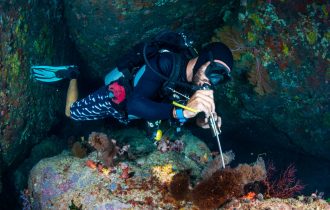
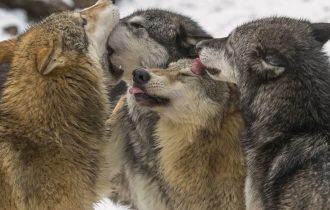
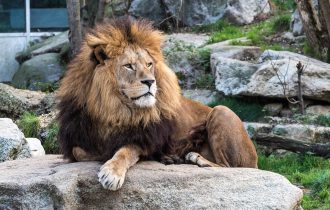
Please get in touch with us for information and training advice about a career with wildlife.
If you already have a relevant qualification, please visit our Job Board to search for the latest wildlife jobs.